


The Role of Embryologists in IVF Success: What Every Patient Should Know
When most people think about IVF, they picture fertility doctors, hormone injections, and embryo transfers. But behind every successful IVF cycle is another essential expert working quietly behind the scenes—the embryologist.
Embryologists are the scientists responsible for caring for eggs, sperm, and embryos throughout the IVF process. Their expertise directly impacts embryo quality, fertilization rates, and ultimately, your chances of achieving a healthy pregnancy.
At Global Fertility & Genetics, our experienced embryology team combines advanced laboratory technology with meticulous attention to detail, helping patients maximize every opportunity for success.
What Is an Embryologist?
An embryologist is a highly trained reproductive scientist who specializes in human embryos and assisted reproductive technologies (ART).
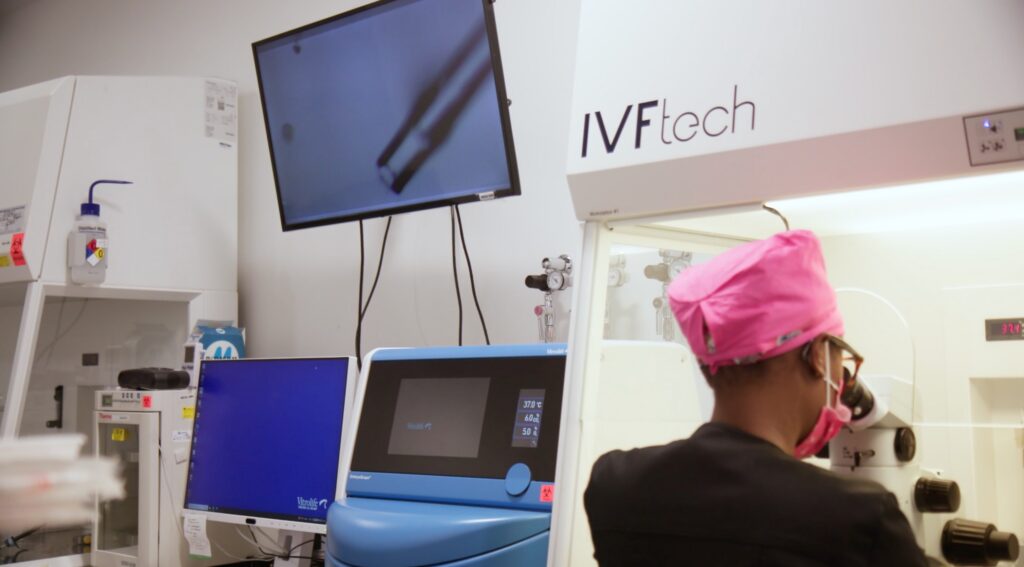
Working inside a state-of-the-art IVF laboratory, embryologists carefully monitor and protect developing embryos during their earliest stages of life.
Think of them as the guardians of your embryos. Every day, they make precise decisions that influence embryo development while maintaining the ideal laboratory conditions needed for healthy growth.
What Does an Embryologist Do During IVF?
Many patients don’t realize how involved embryologists are throughout an IVF cycle.
Their responsibilities include:
Egg Identification
After your egg retrieval procedure, embryologists examine the follicular fluid to locate and collect mature eggs.
Each egg is carefully evaluated for maturity and prepared for fertilization.
Sperm Preparation
Embryologists process semen samples to separate the healthiest, most motile sperm.
This preparation improves the chances of successful fertilization while removing debris and less viable sperm cells.
Fertilization
Depending on your treatment plan, embryologists perform either:
- Conventional IVF, where sperm and eggs are combined naturally in the laboratory
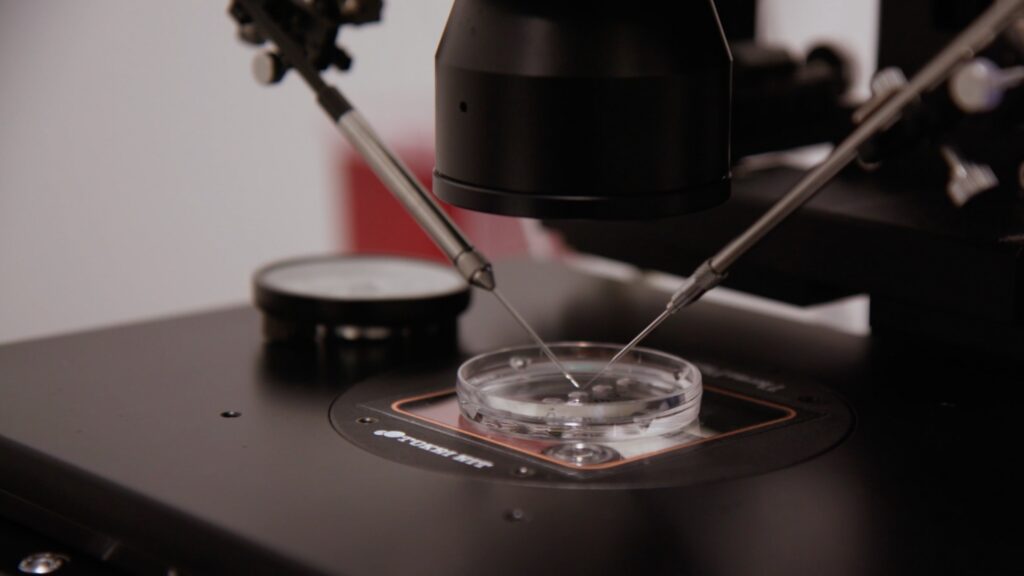
- Intracytoplasmic Sperm Injection (ICSI), where a single healthy sperm is carefully injected into an egg
ICSI is commonly recommended for male factor infertility or previous fertilization challenges.
Monitoring Embryo Development
Once fertilization occurs, embryologists become responsible for monitoring embryo growth every day.
They assess:
- Cell division
- Embryo symmetry
- Fragmentation
- Blastocyst development
- Overall embryo quality
These evaluations help determine which embryos have the highest potential for implantation.
Embryo Grading: What Does It Mean?
Patients often hear terms like “Grade AA embryo” or “high-quality blastocyst.”
Embryo grading is a visual assessment of embryo development based on specific characteristics.
While grading helps embryologists select embryos with strong developmental potential, it’s important to remember:
A beautifully graded embryo is not a guarantee of pregnancy.
Likewise:
Lower-graded embryos can still result in healthy babies.
Embryo grading is simply one tool used alongside age, genetics, and medical history to guide treatment decisions.
Advanced Technologies Used by Embryologists
Modern IVF laboratories use sophisticated technology to improve embryo care and selection.
Depending on your treatment plan, embryologists may utilize:
Intracytoplasmic Sperm Injection (ICSI)
ICSI allows embryologists to inject a single sperm directly into an egg, improving fertilization rates for many couples experiencing male infertility.
Assisted Hatching
In certain cases, embryologists create a tiny opening in the embryo’s outer shell (zona pellucida) to potentially improve implantation.
Embryo Cryopreservation
Using advanced vitrification techniques, embryos can be safely frozen for future use while maintaining excellent survival rates after thawing.
Preimplantation Genetic Testing (PGT)
When appropriate, embryologists carefully biopsy a few cells from the embryo for genetic testing before transfer.
PGT can help identify embryos with the correct number of chromosomes, potentially improving implantation rates while reducing miscarriage risk.
Why IVF Laboratory Quality Matters
Patients often focus on choosing an experienced fertility physician—but the IVF laboratory is equally important.
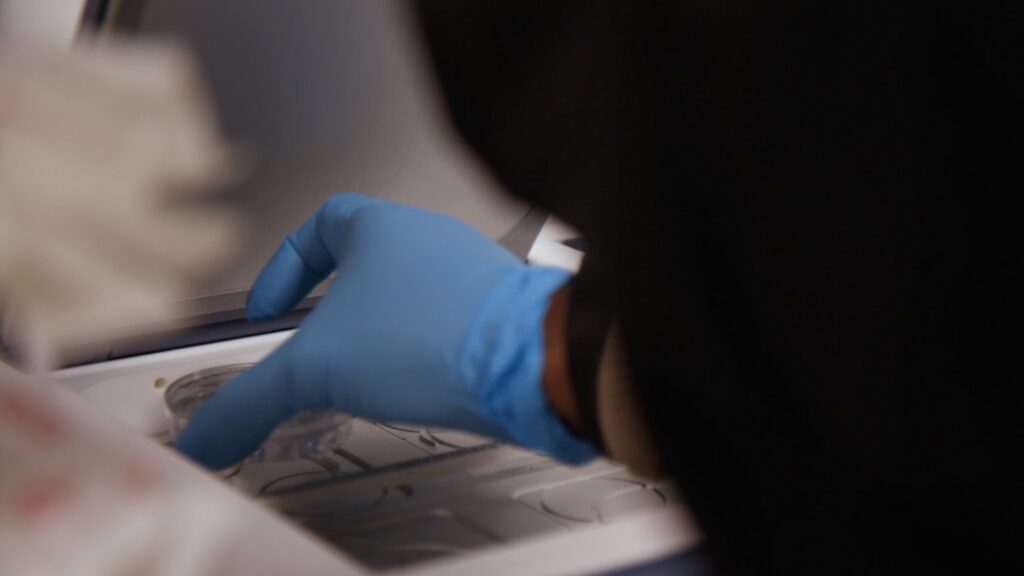
A high-quality embryology laboratory maintains strict control over:
- Temperature
- Air quality
- Humidity
- Culture media
- Equipment calibration
- Sterility
Even small environmental changes can influence embryo development.
That’s why leading fertility centers invest heavily in laboratory technology, quality control, and ongoing embryologist training.
How Embryologists Work With Your Fertility Doctor
IVF is a collaborative process.
Your reproductive endocrinologist develops your treatment plan, while embryologists provide critical laboratory expertise throughout each stage.
Together, they determine:
- Fertilization methods
- Embryo development timelines
- Embryo quality
- The best day for embryo transfer
- Which embryos should be frozen
This partnership helps personalize treatment for every patient.
Frequently Asked Questions
Does the embryologist choose which embryo is transferred?
The embryologist evaluates embryo quality and provides recommendations based on laboratory findings. Your fertility physician combines this information with your medical history, age, and treatment goals to determine which embryo is best suited for transfer.
Can an embryologist improve embryo quality?
Embryologists cannot change the genetic makeup of an embryo, but they create the optimal laboratory environment for embryos to develop naturally and safely.
Is the IVF laboratory as important as the fertility doctor?
Yes. Successful IVF depends on both expert medical care and an experienced embryology laboratory. Together, they play equally important roles in achieving positive outcomes.
How long do embryos stay in the IVF lab?
Embryos are typically cultured for five to six days until they reach the blastocyst stage before transfer or freezing.
Choosing a Fertility Center with an Experienced Embryology Team
Every embryo represents hope.
That is why choosing a fertility center with an experienced embryology laboratory can make a meaningful difference throughout your IVF journey.

At Global Fertility & Genetics, our embryologists work alongside our fertility specialists using advanced laboratory techniques, rigorous quality standards, and personalized care to help patients build their families with confidence.
Whether you’re considering IVF for the first time or exploring advanced fertility treatments, our team is here to guide you every step of the way.
Ready to learn more about IVF treatment? Schedule a consultation with Global Fertility & Genetics to discuss your fertility goals and discover how our experienced embryology team supports every stage of your journey.