


Endometriosis and Fertility: How IVF Can Help You Build Your Family
Endometriosis is one of the most common conditions affecting reproductive health, impacting an estimated 1 in 10 women of reproductive age. While many individuals with endometriosis can still conceive naturally, the condition can sometimes make becoming pregnant more challenging.
For patients navigating endometriosis-related infertility, advanced reproductive technologies like in vitro fertilization (IVF) can provide effective pathways to parenthood. At Global Fertility & Genetics, patients receive individualized care designed to address the specific ways endometriosis may affect fertility, helping them move forward with confidence and a clear treatment plan.
Can You Get Pregnant with Endometriosis?
Yes, many people with endometriosis can become pregnant. However, the condition can sometimes affect fertility by causing inflammation, ovarian cysts, or scar tissue that impacts the reproductive organs. Fertility treatments such as in vitro fertilization (IVF) can help overcome these challenges by supporting fertilization in the laboratory and improving the chances of a successful pregnancy.
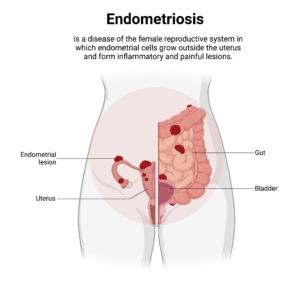
What Is Endometriosis?
Endometriosis occurs when tissue, similar to the lining of the uterus, grows outside the uterus, often on the ovaries, fallopian tubes, or the pelvic lining. Like the uterine lining, this tissue responds to hormonal changes during the menstrual cycle.
However, because the tissue is outside the uterus, it cannot shed normally during menstruation. This can lead to inflammation, scar tissue, and adhesions, which may affect surrounding reproductive organs.
Common symptoms of endometriosis include:
- Pelvic pain or severe menstrual cramps
- Pain during intercourse
- Heavy or irregular menstrual bleeding
- Digestive discomfort or bloating
- Difficulty becoming pregnant
Some individuals experience significant symptoms, while others may not realize they have endometriosis until they begin trying to conceive.
How Endometriosis Can Impact Fertility
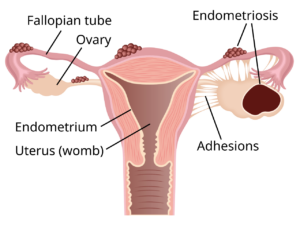
Endometriosis can affect fertility in several ways, depending on the severity and location of the condition.
Inflammation and the Pelvic Environment
Endometriosis often creates an inflammatory environment within the pelvis. This inflammation can affect the way sperm, eggs, and embryos interact, potentially making fertilization or implantation more difficult.
Ovarian Cysts (Endometriomas)
In some cases, endometriosis can cause endometriomas, which are cysts that develop on the ovaries. These cysts may impact ovarian function and sometimes affect egg quality or ovarian reserve.
Scar Tissue and Fallopian Tube Damage
Over time, endometriosis may lead to the development of scar tissue or adhesions. This scar tissue can alter the normal anatomy of the reproductive organs and sometimes block or damage the fallopian tubes, preventing the egg and sperm from meeting naturally.
Effects on Implantation
In certain cases, endometriosis may influence the uterine environment and affect embryo implantation, making it more difficult for a pregnancy to establish successfully.
When Should Someone with Endometriosis See a Fertility Specialist?
If you have been diagnosed with endometriosis and are hoping to become pregnant, early consultation with a fertility specialist can be extremely valuable.
You may want to speak with a specialist if:
- You have been trying to conceive for 6–12 months without success
- You have been diagnosed with moderate or severe endometriosis
- You experience significant pelvic pain or painful periods
- You have known ovarian cysts or endometriomas
- You want to discuss fertility preservation options, such as egg freezing
A comprehensive fertility evaluation can provide important insight into ovarian reserve, reproductive health, and potential treatment pathways.
How IVF Helps Patients with Endometriosis
For many patients with moderate to severe endometriosis, IVF can significantly improve the chances of achieving pregnancy. IVF helps overcome several of the fertility barriers associated with the condition.
Bypassing Blocked Fallopian Tubes
Because fertilization takes place in the laboratory during IVF, the process bypasses the fallopian tubes entirely. This can be particularly beneficial for patients whose tubes have been damaged or blocked by scar tissue.
Maximizing Egg Retrieval
During IVF treatment, controlled ovarian stimulation encourages the ovaries to produce multiple eggs in a single cycle. Retrieving multiple eggs can improve the chances of developing healthy embryos, especially for patients whose ovarian reserve may be impacted by endometriosis.
Advanced Embryology and Genetic Testing
The embryology laboratory at Global Fertility & Genetics uses advanced techniques to support embryo development. In some cases, preimplantation genetic testing (PGT) may be recommended to help identify chromosomally normal embryos before transfer, potentially improving the chances of a successful pregnancy.
Personalized IVF Treatment at Global Fertility & Genetics
Every patient’s experience with endometriosis is unique, which is why individualized treatment planning is essential. The team at Global Fertility & Genetics works closely with each patient to design a fertility plan tailored to their medical history, reproductive goals, and timeline.
Treatment may include:
- Customized ovarian stimulation protocols
- Monitoring ovarian reserve and egg quality
- Collaboration with specialists for surgical evaluation when needed
- Careful embryo transfer timing to optimize implantation
This personalized approach helps ensure that patients receive the most effective treatment strategy for their specific situation.
Family-Building Options for Patients with Endometriosis
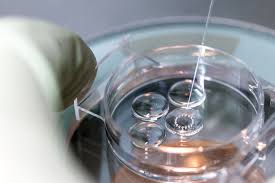
While many patients with endometriosis successfully conceive with IVF, there are several family-building options available depending on individual circumstances.
These may include:
IVF treatment to support fertilization and embryo development in the laboratory.
Fertility preservation, such as egg freezing, for individuals who wish to protect their reproductive options for the future.
Egg donation, which may be an option for patients with significantly diminished ovarian reserve.
Gestational surrogacy, in certain cases where carrying a pregnancy may present medical challenges.
A fertility specialist can help determine which options may be most appropriate based on each patient’s reproductive health and goals.
Hope for Patients Living with Endometriosis
Although endometriosis can present challenges, many individuals with the condition go on to build healthy families with the help of modern fertility treatments.
Advances in reproductive medicine, including IVF and genetic testing technologies, continue to improve outcomes for patients facing endometriosis-related infertility.
With the right medical support, early evaluation, and a personalized care plan, patients can better understand their options and take meaningful steps toward achieving their family-building goals.
Frequently Asked Questions About Endometriosis and Fertility
Can you get pregnant with endometriosis?
Yes. Many individuals with endometriosis can conceive naturally. However, depending on the severity of the condition, fertility treatments such as IVF may improve the chances of pregnancy.
Is IVF successful for patients with endometriosis?
IVF is often one of the most effective treatments for endometriosis-related infertility because it bypasses many of the physical barriers caused by the condition.
Does endometriosis affect egg quality?
In some cases, endometriosis—particularly when endometriomas are present—may affect ovarian function or egg quality. A fertility evaluation can help determine how the condition may impact reproductive potential.
Should I freeze my eggs if I have endometriosis?
Egg freezing may be recommended for some individuals with endometriosis, particularly if ovarian reserve may decline over time or if surgery is being considered.
Take the Next Step Toward Growing Your Family
If you have been diagnosed with endometriosis and are considering your fertility options, speaking with a specialist can help you better understand your path forward.
The team at Global Fertility & Genetics provides comprehensive fertility evaluations and personalized treatment plans designed to support patients facing complex reproductive conditions.
Schedule a consultation to learn more about your options and take the next step toward building your family.