Author: Global Fertility and Genetics

Infertility Etiquette: What to Say (and What Not to Say) to Someone Struggling with Infertility

Chances are, you know someone struggling with infertility. In fact, more than 7 million people of childbearing age in the United States experience infertility. Despite how common it is, many people still don’t know how to offer meaningful support.

Understanding infertility etiquette—what to say, what not to say, and how to show up—can make a profound difference for someone navigating this deeply emotional journey.

What is infertility etiquette?
Infertility etiquette is communicating with empathy and sensitivity to people experiencing infertility. It involves avoiding harmful comments, respecting privacy, and offering meaningful emotional support.

Understanding the Emotional Impact of Infertility

Infertility is not just a medical condition—it’s an emotional experience often compared to grief. But unlike other forms of grief, infertility is recurring.

Each month brings hope, followed by potential heartbreak. Individuals and couples may grieve:

  • The child they haven’t met
  • The future they imagined
  • The experience of pregnancy and parenthood

As treatment begins, the emotional toll often intensifies. Procedures can be invasive, costly, and exhausting—physically and mentally. Because this process can take years, ongoing emotional support is essential.

What NOT to Say to Someone Experiencing Infertility

Knowing what to avoid is just as important as knowing what to say.

1. “Just Relax. It Will Happen.”

This is one of the most common—and most harmful—statements.

Infertility is a diagnosable medical condition, not something cured by relaxation. Comments like this can:

  • Increase stress
  • Imply blame
  • Minimize real medical challenges

2. “At Least You Can Sleep In or Travel.”

Trying to point out “positives” can unintentionally dismiss real pain.

Infertility is not offset by lifestyle perks. These comments often feel like minimizing grief and invalidating emotions.

3. “There Are Worse Things That Could Happen.”

Pain is not a competition.

Everyone experiences hardship differently. For someone who deeply wants a child, infertility can feel like one of the most devastating experiences of their life.

4. “Maybe It’s Just Not Meant to Be.”

This can feel deeply hurtful and judgmental. Infertility is not a punishment or fate—it’s a medical condition. Statements like this can:

  • Imply inadequacy
  • Dismiss hope
  • Cause lasting emotional harm

5. “Why Don’t You Just Try IVF?”

Treatments like IVF (in vitro fertilization) are expensive, physically demanding, and emotionally complex. Even with the increase in a variety of insurance options, asking this question oversimplifies a deeply personal and often difficult decision.

6. Crude or Inappropriate Jokes

Comments like offering to “donate sperm” are not funny—they’re invasive and disrespectful.

Even if meant jokingly, they can cause embarrassment and damage trust.

7. Complaining About Pregnancy

If you’re pregnant, be mindful.

While your experience is valid, sharing complaints about pregnancy symptoms with someone experiencing infertility can be painful. They may be silently thinking: “I would give anything to be in your position.”

8. Treating Them Like They Don’t Understand Parenthood

People struggling with infertility are not naive.

In fact, they’ve often spent more time than most thinking about parenthood, its responsibilities, and what it means to raise a child.

9. Sharing Their Private Information

Infertility is deeply personal. Avoid discussing medical treatments, test results, or personal details unless they openly offer to discuss them.

Always respect privacy and confidentiality.

10. Pushing Adoption

Adoption is a beautiful path—but it’s not a quick fix. Before considering adoption, many individuals need time to:

  • Process grief
  • Let go of expectations of a biological child

Pushing this conversation can feel overwhelming.

What You SHOULD Say Instead

You don’t need perfect words—just genuine support.

Offer Simple, Compassionate Support

  • “I’m here for you.”
  • “I’m thinking of you.”
  • “How can I help?”

Be Present

Sometimes, just listening is enough. Let them:

  • Share when they’re ready
  • Cry without judgment
  • Feel supported without pressure

Remember Important Days

Days like Mother’s Day can be especially painful. A simple message or card acknowledging them can mean more than you realize.

Respect Their Decisions

Whether they continue treatment, stop trying, or pursue other options such as adoption, support their choices without judgment or pressure.

Infertility Etiquette FAQs that People Also Ask

What should you say to someone struggling with infertility?

The best thing to say is something simple and supportive, like “I’m here for you” or “I’m thinking of you.” Focus on listening rather than fixing the situation, and validate their feelings without offering unsolicited advice. If someone you know is exploring treatment options, trusted clinics like Global IVF NY can also provide guidance.

What should you not say to someone with infertility?

Avoid phrases like “just relax,” “it will happen,” or “you can always adopt.” These statements can minimize the emotional and medical realities of infertility and may unintentionally cause harm

Why is infertility so emotionally painful?


Infertility is emotionally painful because it involves recurring cycles of hope and disappointment. Many people grieve the loss of a future they envisioned, making it a deeply personal and ongoing experience

How do you support a friend going through infertility?

Support a friend by listening without judgment, respecting their privacy, and checking in regularly. Small gestures—like sending a thoughtful message—can make a meaningful difference.

Is it okay to talk about pregnancy around someone with infertility?


Yes, but sensitivity is key. Avoid complaining about pregnancy symptoms and be mindful of their emotional experience. Give them space if needed.

Should you suggest IVF or fertility treatments?


It’s best not to suggest treatments unless they ask. Fertility treatments are complex and personal decisions. Instead, offer support and share trusted resources like Global IVF NY if appropriate.

When should adoption be discussed?


Adoption should only be discussed when the individual or couple brings it up. Many people need time to process grief before considering alternative family-building options.

How common is infertility?


Infertility is more common than many realize, affecting millions of people in the United States. It impacts individuals and couples across all backgrounds and can involve both medical and emotional challenges.

How to Truly Support Someone with Infertility

You can’t fix infertility—but you can make the journey less lonely.

The most meaningful support comes from your compassion, respect, and consistency with your support. Your empathy and understanding can help lighten the burden in ways words alone cannot.

The team at Global Fertility & Genetics provides comprehensive fertility evaluations and personalized treatment plans designed to support patients facing complex reproductive conditions.

Schedule a consultation to learn more about your options and take the next step toward building your family.

Endometriosis and Fertility: How IVF Can Help You Build Your Family

Endometriosis is one of the most common conditions affecting reproductive health, impacting an estimated 1 in 10 women of reproductive age. While many individuals with endometriosis can still conceive naturally, the condition can sometimes make becoming pregnant more challenging.

For patients navigating endometriosis-related infertility, advanced reproductive technologies like in vitro fertilization (IVF) can provide effective pathways to parenthood. At Global Fertility & Genetics, patients receive individualized care designed to address the specific ways endometriosis may affect fertility, helping them move forward with confidence and a clear treatment plan.

Can You Get Pregnant with Endometriosis?

Yes, many people with endometriosis can become pregnant. However, the condition can sometimes affect fertility by causing inflammation, ovarian cysts, or scar tissue that impacts the reproductive organs. Fertility treatments such as in vitro fertilization (IVF) can help overcome these challenges by supporting fertilization in the laboratory and improving the chances of a successful pregnancy.

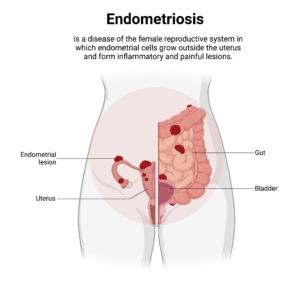
Endometriosis reproductive system medical illustration

What Is Endometriosis?

Endometriosis occurs when tissue, similar to the lining of the uterus, grows outside the uterus, often on the ovaries, fallopian tubes, or the pelvic lining. Like the uterine lining, this tissue responds to hormonal changes during the menstrual cycle.

However, because the tissue is outside the uterus, it cannot shed normally during menstruation. This can lead to inflammation, scar tissue, and adhesions, which may affect surrounding reproductive organs.

Common symptoms of endometriosis include:

  • Pelvic pain or severe menstrual cramps
  • Pain during intercourse
  • Heavy or irregular menstrual bleeding
  • Digestive discomfort or bloating
  • Difficulty becoming pregnant

Some individuals experience significant symptoms, while others may not realize they have endometriosis until they begin trying to conceive.

How Endometriosis Can Impact Fertility

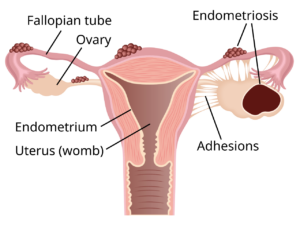
Ovarian endometrioma cyst ultrasound illustration

Endometriosis can affect fertility in several ways, depending on the severity and location of the condition.

Inflammation and the Pelvic Environment

Endometriosis often creates an inflammatory environment within the pelvis. This inflammation can affect the way sperm, eggs, and embryos interact, potentially making fertilization or implantation more difficult.

Ovarian Cysts (Endometriomas)

In some cases, endometriosis can cause endometriomas, which are cysts that develop on the ovaries. These cysts may impact ovarian function and sometimes affect egg quality or ovarian reserve.

Scar Tissue and Fallopian Tube Damage

Over time, endometriosis may lead to the development of scar tissue or adhesions. This scar tissue can alter the normal anatomy of the reproductive organs and sometimes block or damage the fallopian tubes, preventing the egg and sperm from meeting naturally.

Effects on Implantation

In certain cases, endometriosis may influence the uterine environment and affect embryo implantation, making it more difficult for a pregnancy to establish successfully.

When Should Someone with Endometriosis See a Fertility Specialist?

If you have been diagnosed with endometriosis and are hoping to become pregnant, early consultation with a fertility specialist can be extremely valuable.

You may want to speak with a specialist if:

  • You have been trying to conceive for 6–12 months without success
  • You have been diagnosed with moderate or severe endometriosis
  • You experience significant pelvic pain or painful periods
  • You have known ovarian cysts or endometriomas
  • You want to discuss fertility preservation options, such as egg freezing

A comprehensive fertility evaluation can provide important insight into ovarian reserve, reproductive health, and potential treatment pathways.

How IVF Helps Patients with Endometriosis

For many patients with moderate to severe endometriosis, IVF can significantly improve the chances of achieving pregnancy. IVF helps overcome several of the fertility barriers associated with the condition.

Bypassing Blocked Fallopian Tubes

Because fertilization takes place in the laboratory during IVF, the process bypasses the fallopian tubes entirely. This can be particularly beneficial for patients whose tubes have been damaged or blocked by scar tissue.

Maximizing Egg Retrieval

During IVF treatment, controlled ovarian stimulation encourages the ovaries to produce multiple eggs in a single cycle. Retrieving multiple eggs can improve the chances of developing healthy embryos, especially for patients whose ovarian reserve may be impacted by endometriosis.

Advanced Embryology and Genetic Testing

The embryology laboratory at Global Fertility & Genetics uses advanced techniques to support embryo development. In some cases, preimplantation genetic testing (PGT) may be recommended to help identify chromosomally normal embryos before transfer, potentially improving the chances of a successful pregnancy.

Personalized IVF Treatment at Global Fertility & Genetics

Every patient’s experience with endometriosis is unique, which is why individualized treatment planning is essential. The team at Global Fertility & Genetics works closely with each patient to design a fertility plan tailored to their medical history, reproductive goals, and timeline.

Treatment may include:

  • Customized ovarian stimulation protocols
  • Monitoring ovarian reserve and egg quality
  • Collaboration with specialists for surgical evaluation when needed
  • Careful embryo transfer timing to optimize implantation

This personalized approach helps ensure that patients receive the most effective treatment strategy for their specific situation.

Family-Building Options for Patients with Endometriosis

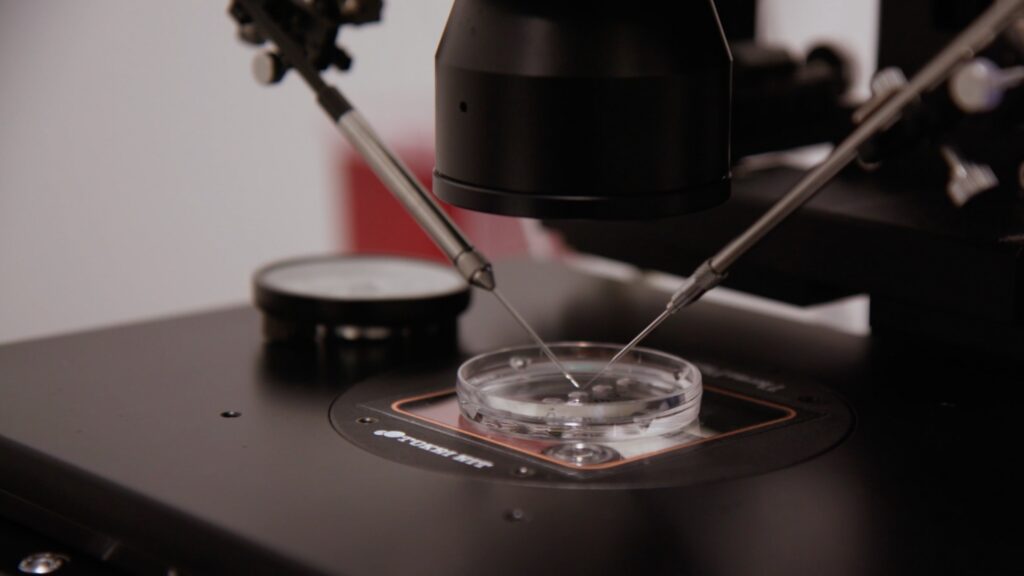
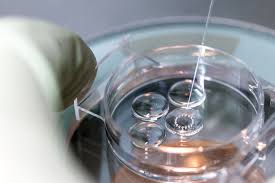
IVF embryo culture in a fertility laboratory

While many patients with endometriosis successfully conceive with IVF, there are several family-building options available depending on individual circumstances.

These may include:

IVF treatment to support fertilization and embryo development in the laboratory.

Fertility preservation, such as egg freezing, for individuals who wish to protect their reproductive options for the future.

Egg donation, which may be an option for patients with significantly diminished ovarian reserve.

Gestational surrogacy, in certain cases where carrying a pregnancy may present medical challenges.

A fertility specialist can help determine which options may be most appropriate based on each patient’s reproductive health and goals.

Hope for Patients Living with Endometriosis

Although endometriosis can present challenges, many individuals with the condition go on to build healthy families with the help of modern fertility treatments.

Advances in reproductive medicine, including IVF and genetic testing technologies, continue to improve outcomes for patients facing endometriosis-related infertility.

With the right medical support, early evaluation, and a personalized care plan, patients can better understand their options and take meaningful steps toward achieving their family-building goals.

Frequently Asked Questions About Endometriosis and Fertility

Can you get pregnant with endometriosis?

Yes. Many individuals with endometriosis can conceive naturally. However, depending on the severity of the condition, fertility treatments such as IVF may improve the chances of pregnancy.

Is IVF successful for patients with endometriosis?

IVF is often one of the most effective treatments for endometriosis-related infertility because it bypasses many of the physical barriers caused by the condition.

Does endometriosis affect egg quality?

In some cases, endometriosis—particularly when endometriomas are present—may affect ovarian function or egg quality. A fertility evaluation can help determine how the condition may impact reproductive potential.

Should I freeze my eggs if I have endometriosis?

Egg freezing may be recommended for some individuals with endometriosis, particularly if ovarian reserve may decline over time or if surgery is being considered.

Fertility doctor consultation with patient discussing treatment options

Take the Next Step Toward Growing Your Family

If you have been diagnosed with endometriosis and are considering your fertility options, speaking with a specialist can help you better understand your path forward.

The team at Global Fertility & Genetics provides comprehensive fertility evaluations and personalized treatment plans designed to support patients facing complex reproductive conditions.

Schedule a consultation to learn more about your options and take the next step toward building your family.

U.S. Fertility Treatments for International Patients

🌍 Global Care, Personalized Support: Why International Patients Choose Global Fertility & Genetics

For individuals and couples traveling from outside the United States to pursue fertility treatment, the journey toward parenthood is often filled with questions, challenges, and logistical complexities. At Global Fertility & Genetics (GFG), international patients find more than cutting-edge reproductive medicine — they find a compassionate team dedicated to guiding them every step of the way. 

🤝 Tailored, Compassionate Care Across Borders

Families coming to GFG from other countries receive trusted support that extends far beyond top-tier clinical expertise. GFG’s approach is built around:

  • Personalized treatment planning: Health history, cultural values, and personal goals all play a role in shaping individualized fertility pathways. 
  • State-of-the-art IVF and ART services: From traditional IVF and ICSI to egg donation and genetic testing (PGT), patients benefit from world-class reproductive technology. 
  • Dedicated coordination for international logistics: While specific concierge services are tailored to each patient’s needs, GFG strives to streamline the process of treatment planning, appointments, and communication so travel and care integrate smoothly. 

Whether it’s an individual traveling from Asia, Europe, or beyond, or a couple navigating fertility options from another continent, GFG’s specialists work to ensure clarity, comfort, and confidence at every turn.

📅 Don’t Miss This Month’s Online Seminar

Understanding the Structure of Fertility Treatment in the United States

Navigating the U.S. healthcare system can be especially daunting for international patients — with unique insurance structures, treatment sequencing, and decision pathways that differ significantly from many other countries.

That’s why GFG is hosting a free online seminar designed specifically for people planning fertility care in the U.S.:

📌 🗓Date & Time: April 14, 2026 at 8:00 pm Eastern Time
📌 Format: Online | Free (registration required)
📌 Topic: How to Navigate Fertility Treatments in the United States
📌 Presenter: Tomoko Okamoto, Fertility Strategist & International Fertility Coordinator based in New York

Please note: This seminar will be held in Japanese.

This seminar will help participants:

  • Understand how the U.S. fertility care system works
  • Compare U.S. treatment structures to those in other countries
  • Clarify insurance and cost considerations
  • Learn how couples can make collaborative decisions throughout their treatment journey 

Whether you’re just starting your research or preparing to begin treatment, this session aims to give you the confidence and insight you need to navigate your options with clarity.

👉 Ready to register? Follow the seminar link and secure your spot today!


🌍 海外からアメリカで不妊治療を受けるという選択
なぜ世界中の患者様がGlobal Fertility & Geneticsを選ぶのでしょうか。

海外からアメリカで不妊治療を受けることは、多くの可能性を広げる一方で、

・医療制度の違い
・保険や費用の仕組み
・渡航と治療のスケジュール調整
・言語や文化の壁

など、さまざまな不安や疑問が伴います。

Global Fertility & Genetics(GFG)では、最先端の生殖医療とともに、海外からの患者様が安心して治療に臨めるよう、きめ細やかなサポート体制を整えています。


🤝 世界中の患者様を支えるGFGのサポート

GFGでは、高度な医療技術だけでなく、海外から来られる患者様一人ひとりの状況に合わせたサポートを大切にしています。

個別化された治療計画
健康状態、治療歴、文化的背景、そしてご自身のライフプランを踏まえ、最適な治療戦略を設計します。

世界水準の生殖医療技術
IVF、ICSI、遺伝子検査(PGT)、卵子提供など、最先端の生殖医療技術を提供しています。

海外患者様専任のコーディネーション
治療計画、予約、コミュニケーション、渡航スケジュールの調整まで、スムーズに治療を進められるようサポートします。

アジア、ヨーロッパ、その他の地域から渡航される患者様が、安心して治療に集中できる環境を提供しています。


📅 無料オンラインセミナー開催

アメリカの不妊治療の歩き方
最初に知っておくべき全体像

アメリカの不妊治療は、日本や他の国とは制度も治療の進め方も大きく異なります。

そのため、多くの方が

・どこから始めればいいのか
・治療の選択肢は何があるのか
・費用や保険はどう考えるべきか

といった疑問を抱えています。

このセミナーでは、アメリカの不妊治療の全体像をわかりやすく整理し、
これから治療を考える方が最初に知っておくべきポイントを解説します。


📌 日時
2026年4月14日火曜日
午後8時(ニューヨーク時間)

📌 形式
オンライン|無料(事前登録制)

📌 講師
岡本朋子(Tomoko Okamoto)
妊活ストラテジスト/国際不妊治療コーディネーター
(ニューヨーク在住)

※セミナーは日本語で開催します。


このセミナーでわかること

・アメリカの不妊治療システムの仕組み
・日本や他国との治療体制の違い
・保険と費用の基本的な考え方
・夫婦で納得して治療の意思決定をするための視点

妊活を始めたばかりの方から、すでに治療を検討されている方まで、
アメリカでの不妊治療を理解し、自分に合った選択をするための知識を得ていただけます。


👉 登録の準備はできましたか?セミナーのリンクにアクセスして、今すぐお席を確保しましょう!

Meet Dr. Melvin Thornton | Fertility Specialist in NYC | Global Fertility & Genetics

He delivered his first baby as a medical student—and it changed everything. That moment sparked Dr. Melvin Thornton’s lifelong commitment to helping everyone experience the joy of building a family. Known for listening first and personalizing every path to parenthood, he brings compassion, honesty, and heart to every patient journey at Global Fertility & Genetics.

👇 Meet Dr. Melvin Thornton of Global Fertility & Genetics—where listening comes first, and every path to parenthood is honored in our Q&A below.

“Everyone deserves the chance to experience the joy of building a family—no matter who they are or how they get there.”

What originally drew you to reproductive medicine, and what continues to inspire you in this work today?

I delivered my first baby while I was still a medical student, and that moment changed my life. The room was filled with joy and happiness, and I remember thinking how incredibly special it was to witness a baby coming into the world. Not long after, I realized that many couples aren’t able to experience that same joy because of fertility challenges.

As a young student, I told myself that everyone deserves the chance to feel what I felt in that delivery room. That belief still drives me today. No matter if someone is straight, gay, trans, or single—everyone should have the opportunity to experience the joy of having a child.

How would you describe your approach to patient care, especially during what can be an emotionally complex fertility journey?

One of the greatest gifts I’ve been given is the ability to truly listen. Many patients—whether their challenges are complex or relatively minor—simply want to be heard. Every fertility journey is unique, yet too often physicians rush straight to treatment without taking the time to understand the full story.

When you really listen to patients, they guide you toward what they actually need to be successful. I want to know more than just what’s happened over the past few months—I want to understand the whole journey. I’ll often ask couples how they met, which helps them reconnect with happier moments instead of focusing solely on the stress of trying to conceive.

One of my favorite questions is: “Five years from now, it’s a beautiful day and you’re at the park—how many children are with you?” It allows patients to dream again and remember that dreams really can come true.

With your extensive experience in the field, what do you believe makes truly excellent fertility care—beyond medical outcomes alone?

Excellent fertility care means supporting patients through the entire process and truly individualizing care from the very first consultation. Many fertility centers rely on a cookie-cutter approach, where everyone receives the same treatment plan or protocol. But that’s not how people—or bodies—work.

Not every patient needs IUI or IVF. Some may benefit from nutritional counseling, psychological support, or education about optimal timing based on their menstrual cycle. In other cases, alternative therapies like acupuncture can be helpful before pursuing medical treatment. The key is meeting patients where they are and giving them exactly what they need—not more, not less.

How do you work to build trust and reassurance with patients during moments of uncertainty or disappointment?

Trust is built through communication. In today’s world of portals and electronic messages, I still believe there’s nothing more powerful than a phone call—especially during moments of disappointment or doubt. A phone call goes a long way in reassuring patients, answering questions, and easing fears.

I’m old school in that way, and I also believe honesty is essential. Fertility can be a painful subject, and many patients don’t want to hear difficult information. But it’s important to be honest about chances of success—with and without treatment—while still being compassionate and encouraging. When honesty is delivered thoughtfully, it strengthens trust rather than diminishing hope.

What excites you most about the future of Global Fertility & Genetics and the care you’re building together for patients?

What excites me most is our team. The professionals at Global Fertility & Genetics are truly dedicated to our patients, and it always makes me smile when patients tell me how wonderful the staff is. Everyone here is top-notch, and that level of care and commitment allows us to provide the best possible experience and outcomes for the families we serve.

Just for Fun

Early mornings or late nights?
Both—my wife says I never stop working.

Coffee or tea?
Neither. Believe it or not, it’s Mountain Dew. It gives me the energy I need and tastes great.

City energy or countryside vibes?
Countryside, hands down. I love sitting outside and listening to the birds—it’s incredibly relaxing. Even though I’m not much of a coffee drinker, sitting outside in the morning with a cup of coffee and birds chirping feels like heaven.

Sweet or salty?
I’d say sweet—but according to my wife (who’s also my best friend), I can get a little salty when my favorite sports teams lose or after a particularly rough day on the golf course.

“Listening is one of the most important tools we have in fertility care.”

Physician. Listener. Advocate for every path to parenthood.

Egg Donation at Global Fertility & Genetics: A Pathway to Parenthood

Egg donation is a remarkable fertility option that has helped countless individuals and couples build the families they’ve always dreamed of. At Global Fertility & Genetics (GFG), egg donation is offered with a deep commitment to ethical care, personalized support, and medical excellence — ensuring that both donors and intended parents feel informed, supported, and confident throughout the journey. 

Why Choose Egg Donation at GFG?

  • High Success Rates: Because donor eggs come from young, healthy donors, the success rates for donor-egg IVF are often significantly higher than traditional IVF for women over 40.
  • A Personalized Experience: GFG specializes in both fresh and frozen egg donation. Our team guides you through selecting a donor who matches your values and physical characteristics.
  • Advanced Technology: We utilize cutting-edge techniques like ICSI (Intracytoplasmic Sperm Injection) to maximize the chances of successful fertilization.

The Egg Donation Journey at GFG

1. Choosing an Egg Donor

GFG supports both anonymous and known donors. Donors are carefully screened — medically, genetically, and psychologically — to ensure they are healthy and suitable for donation. This includes hormone testing, ultrasounds, and lifestyle evaluations.

Once selected, the donor’s cycle is synchronized with the recipient’s or surrogate’s cycle to ensure optimal timing for embryo creation and transfer.

2. The Donor Screening & Preparation Process

Before donation, prospective egg donors undergo a comprehensive screening process designed to ensure safety, health, and emotional readiness:

  • Medical evaluation including bloodwork, hormone testing, and pelvic ultrasound
  • Genetic testing to screen for inheritable conditions
  • Psychological assessments to confirm emotional preparedness
  • Lifestyle and health review including habits, medications, and history

GFG’s team provides clear guidance through every step — helping donors feel equipped and supported from their first inquiry through recovery.

3. Hormonal Preparation and Egg Retrieval

Once approved, donors enter a monitored stimulation phase:

  • Daily hormone injections for about 10–14 days
  • Frequent bloodwork and ultrasounds track ovarian response
  • A final “trigger shot” prepares eggs for retrieval

Egg retrieval is a minor outpatient procedure performed under light sedation. Most donors are comfortable returning to normal activities within a couple of days. Recovery is carefully followed by the GFG team, with support available 24/7.

4. Fertilization and Embryo Transfer

Following retrieval, eggs are fertilized with sperm from the intended parent or donor. Embryos are grown in the lab and prepared for implantation. GFG uses advanced techniques such as ICSI (Intracytoplasmic Sperm Injection) and may conduct genetic testing to improve chances of success.

Embryo transfer occurs when the recipient’s uterus is hormonally optimized to support implantation, guided by bloodwork and ultrasounds.

5. Legal and Ethical Considerations

GFG emphasizes transparent, ethical care. Donors sign informed consent forms outlining their rights, responsibilities, and compensation terms. Donors do not retain any legal parental rights, and the choice between anonymous and open donation is clarified up front.

For Donors: Making a Life-Changing Impact

Choosing to become an egg donor is one of the most selfless gifts a person can give. At GFG, we ensure our donors are supported, informed, and celebrated throughout their journey.

Who Can Become a Donor?

To ensure the health of both the donor and the future child, we look for candidates who meet the following criteria:

  • Age: Between 21 and 30 years old.
  • Health: In excellent physical and mental health.
  • Lifestyle: Non-smoker and drug-free.
  • Reliability: Able to commit to a flexible schedule for monitoring appointments.

The Rewards of Giving

We believe your time and generosity should be recognized. Donors at GFG receive:

  • Generous Compensation: Up to $10,000 per cycle to compensate for your time and commitment.
  • Comprehensive Health Screening: You’ll receive a full medical, genetic, and psychological evaluation at no cost to you.
  • Preserved Fertility: Donating eggs does not reduce your future ability to have children of your own.

egg donation NYC donor egg IVF process

Why Choose Egg Donation at GFG?

Global Fertility & Genetics offers:

✨  Compassionate and experienced medical support
✨ Transparent communication throughout the process
✨ A confidential and ethical donation environment
✨ Full medical monitoring and emotional care

GFG’s approach helps ensure that donors feel valued and respected, while intended parents receive the medical excellence, empathy, and clarity they deserve on their path to parenthood. Ready to start your journey? Whether you want to help a family grow or are ready to grow your own, our expert team is here to help. Contact us today!

PGT-P in IVF: A New Advanced Genetic Screening Test

Home » Archives for Global Fertility and Genetics

What it is, how it works, and what intended parents should know.

Preimplantation Genetic Testing (PGT) has transformed the fertility landscape, giving intended parents more insight into their embryos’ genetic health than ever before. While most people are familiar with tests like PGT-A (which screens for chromosome abnormalities) or PGT-M (which looks for single-gene disorders), a newer and more advanced option—PGT-P—is generating a lot of questions.

Below, we break down what PGT-P is, how it works, and how it differs from other types of PGT.

PGT-P stands for Preimplantation Genetic Testing for Polygenic Risk. It is an advanced genetic screening test for embryos that analyzes an embryo’s polygenic risk score (PRS) for common adult-onset diseases like certain cancers and cardiovascular disease. It is a probabilistic test, meaning it estimates a risk level, and is different from older PGT types that focus on single gene mutations or chromosomal abnormalities. 

How PGT-P Works

  • Calculates a risk score: A PRS is calculated for the embryo for various conditions based on its genetic makeup.
  • Uses a large genetic dataset: The analysis looks at many genetic variants and compares them to large populations to estimate the risk.
  • Provides probabilistic results: The score is not a guarantee of getting or avoiding a disease, but rather an estimate of the embryo’s risk compared to the general population.
  • Supplements other PGT tests: PGT-P can be used with other PGT tests, like PGT-A (aneuploidy) and PGT-M (monogenic disorders), to provide more comprehensive information about the embryo. 

Key Differences from other PGT

  • Focus: PGT-P focuses on polygenic conditions (influenced by many genes and environmental factors), whereas PGT-M focuses on single-gene disorders.
  • Result type: PGT-P provides a probabilistic risk score, while PGT-M can definitively identify if an embryo is impacted, unaffected, or a carrier for a specific disease.
  • Complexity: It is a more complex test because it considers a broader spectrum of disease risk rather than a single, simple genetic issue. 

Considerations and Limitations

  • Environmental factors: PGT-P does not account for non-genetic factors like lifestyle, which can significantly influence the actual risk of developing a disease.
  • Ethical questions: It raises ethical considerations regarding embryo selection, the potential for “designer babies,” and equal access to the technology.
  • Regulatory status: The technology is still developing, and regulatory guidelines and scientific evidence are still evolving in many places. For example, it is currently not permitted in the UK. 

It’s important to remember: polygenic risk is just one piece of the puzzle. Environmental factors, lifestyle, and family history also play major roles.

Who Might Consider PGT-P?

PGT-P may be helpful for:

  • Intended parents undergoing IVF who want additional genetic insight
  • Individuals or couples with strong family histories of common diseases
  • Patients already doing PGT-A or PGT-M who want a more comprehensive picture

It is always recommended to discuss PGT-P with a genetic counselor, who can explain how the test applies to your medical history and family-building goals.

Is PGT-P Right for You?

PGT-P is not necessary for everyone, but it can offer added clarity for families seeking to reduce the risk of certain adult-onset conditions. As with all genetic testing, it’s important to weigh the benefits, limitations, and ethical considerations.

At Global Fertility & Genetics, we provide personalized guidance to help intended parents make informed decisions. Our team is here to walk you through every step—from IVF to genetic counseling to understanding your results.If you’re considering PGT-P or want to learn more about your options, contact our team today.

Understanding Your Fertility: The Power of AMH Testing

When it comes to your fertility, information truly is power. One of the simplest and most insightful ways to learn more about your reproductive health is through an AMH test—short for Anti-Müllerian Hormone.

What Is AMH?

AMH (Anti-Müllerian Hormone) is a simple blood test that can give you a sneak peek at your ovarian reserve—in other words, how many eggs you have remaining. Every woman is born with a certain number of eggs, and this number naturally decreases over time. Measuring your AMH levels helps Dr. Thornton estimate your egg quantity and gain a better understanding of your current fertility picture.

Why AMH Testing Matters

You don’t have to be actively trying to conceive to benefit from AMH testing. This test can help guide important decisions about your reproductive future, whether that means:

  • Understanding your fertility potential for natural conception
  • Planning ahead for egg freezing or IVF
  • Getting valuable insights if you’ve experienced irregular cycles or other reproductive concerns

Knowing your AMH level can help you make informed, proactive choices about your body and your goals. If your AMH is high, it suggests your egg reserve is strong. If it’s lower, it may prompt a conversation about timing, preservation options, or tailored fertility care.

What to Expect at Our Clinic

The AMH test is quick, easy, and non-invasive—it’s just a simple blood draw at our New York location. 

  • Results are typically available within 3 to 5 days.
  • A personalized consultation with one of our fertility specialists to interpret your AMH level alongside your age, reproductive history, cycle patterns, and any relevant fertility treatments.
  • Recommendations tailored just for your journey. Whether that’s waiting, preserving, or activating your fertility plan right now, Dr. Thornton and our caring nurses support you.

What the Results Mean

A higher AMH level generally suggests a larger supply of eggs, while a lower AMH level may indicate that your ovarian reserve is decreasing. However, it’s important to remember that AMH is just one piece of the puzzle—it doesn’t predict your ability to get pregnant or the quality of your eggs. Your provider will interpret your results in the context of your age, overall health, and other fertility factors.

Empowering Yourself with Knowledge

At the end of the day, AMH testing is about taking control of your health journey. Knowing your AMH level is one of the best ways to empower yourself with the information you need for your future. Whether you’re ready to start your family soon or simply planning ahead, understanding your fertility can bring clarity and confidence to your next steps.

Ready to Know Your Number?

If you’d like to schedule your AMH test or learn more about how this simple blood test fits into our full spectrum of fertility services — from egg freezing to IVF, surrogacy, and egg donation — connect with us at https://globalivfny.com/contact-us.

How Egg Freezing Can Help You Plan for the Future

Life feels more complicated than ever these days. What was once the assumed path of life’s milestones has certainly changed. There used to be a “traditional” course of jobs, marriage, and starting families. But, this path isn’t so clear anymore. Women are making more choices than ever now when it comes to how they want to accomplish things. One of the trends we’re seeing is an increase in women choosing to delay having children. This is happening for a variety of reasons. It really shouldn’t come as a surprise if you’re a professional currently trying to balance your family and an increasingly demanding career.

More women are waiting until their late 30s and some even early 40s before making the decision to start having children. In the past, this would have more or less been considered unheard of due to social norms and biological limitations. Now, though, it’s close to being expected due to how busy and unexpected life can be. It makes perfect sense that women want to accomplish certain goals before dedicated their lives to parenthood, like earning advanced degrees and obtaining high paying jobs. It’s extremely difficult to manage these things while also starting a family. What we’re seeing, however, is lifestyle and societal changes coming up against the restrictions of biology. While the way we live has changed, our bodies really haven’t. This is why if you’re looking to have children a bit later in life, you may be interested in fertility services to help you accomplish that when conceiving naturally proves difficult.

Luckily, we live in a time where there are many fertility treatments available to cover nearly any scenario. When it comes to delaying pregnancy, though, egg freezing is often the go to solution that many women opt for. If you’re confident you want children of your own down the line when you feel like the time is right, egg freezing can help make that possible. Let’s look at some of the facts about egg freezing and if it’s right for you.

The egg freezing process

Egg freezing will require multiple visits to your doctor. First, tests will need to be performed in order to determine if you’re a good candidate for the procedure. Assuming the tests showing promising results, the process of obtaining the eggs for freezing will begin. Eggs will need to be brought to maturation for removal. You’ll be started on hormone therapy in order to stimulate the ovaries to produce multiple eggs. The entire process will of course be monitored until your doctor determines you are ready to have the eggs removed. This simple outpatient procedure will be performed and the eggs will be prepared for freezing. The procedure doesn’t take long, but you will be placed under anesthesia for your comfort and safety. The entire process takes about ten days from the beginning of treatment until the extraction.

Why choose egg freezing?

Egg freezing can be the best solution for a variety of scenarios. Clearly, the most obvious one is delaying pregnancy in order to experience it during a more manageable time. Voluntarily delaying childbearing gives a woman more time to establish herself and make the progress she needs to more comfortably become a parent. Wanting to have children on your terms at the right time is something everyone wants.

Another situation where egg freezing may be recommended is following the diagnosis of cancer. The treatments that can save your life, like chemotherapy and radiation, can also make you infertile. By freezing your eggs before beginning treatment, you have a chance to pursue parenthood once you are free of cancer and your treatments have stopped.

Are there complications?

Egg freezing is safe. Frozen eggs and embryos remain safe in cryopreservation and are safe following thawing. Safety redundancies are put into place to make sure of this. The only slight complication that may come with the egg freezing process is hormone therapy side effects. There are no proven risks involving ovarian stimulation drugs as far as cancer development or other fears. Mention any concerns you may have to your doctor.

Conclusion

Women demand and need options when it comes to balancing every aspect of their lives. Life’s milestones shouldn’t need to be sacrificed in order to reach another. The option should be there to be stable and comfortable in a career or with the right partner before settling down to have children. If you’re wondering if egg freezing would be the right solution for your individual needs, you need to speak with a fertility specialist that has the expertise needed to evaluate and advise you. Book an appointment online with us today. The team at Global Fertility is here to provide you with the expert care you need so you can feel confident about starting your family.

Is IVF Right for You? What You Need to Know

Dealing with infertility remains a major obstacle for many couples, though we are lucky to live in a time when there are more treatment options than ever before to help overcome whatever issues are behind that infertility. There are couples all over the world who are looking to have children, but are experiencing difficulty. The most common issue is women looking to have children at more advanced older ages than they traditionally have in the past. Age not only impacts the ability to get pregnant, it can affect the health of the pregnancy.  Illnesses and other health conditions can also affect fertility. Additionally, many same sex couples are looking to become parents and are searching for options that will let them have biological children of their own.

One of the most effective ways to treat infertility is in vitro fertilization (IVF). IVF has helped thousands of couples and individuals from all over the world have healthy children of their own when previously it seemed like there may be no hope of conceiving.

You may be wondering if in vitro fertilization would be right for you. While it’s hard to give definitive answers, because only a doctor can properly diagnose you and tell you if IVF is a good solution, having the basic facts is important. If you’re struggling to conceive or you’re ready to plan your family, here is what you should know about in vitro fertilization.

What is IVF?

During an IVF procedure, fertilization occurs in the laboratory rather than in the typical biological fashion. The woman will receive hormone treatments to prepare for the procedure. These hormone treatments will stimulate the ovaries to bring eggs to maturation for the next part of the process. When ready, the eggs will be removed. This is a minor surgical procedure. Once removed, the eggs will be fertilized with the sperm of the male partner or that of a donor to create an embryo. From there, the embryo is then placed in the uterus and the pregnancy continues like it normally would.

How does IVF work?

In vitro fertilization is an appropriate fertility solution for a variety of scenarios where certain life circumstances or medical conditions are making achieving pregnancy difficult. The goal is to bypass the issue that is making conceiving difficult with medical assistance. During IVF, an embryo is placed directly into the woman’s uterus to go through with the pregnancy. This allows you to overcome complications that may have arisen from fallopian tube blockage or damage, ovulation disorders, ovarian failure endometriosis, uterine fibroids, and tubal ligation. IVF can also assist when the fertility issue lies with the quality of the sperm. It can help circumvent issues stemming from impaired sperm function or production.

Of course, success rates are always on the minds of hopeful parents. So, it’s important to put some things in perspective. The overall success rate of in vitro fertilization is 30-40% when talking about women under the age of 35. This success rate does diminish with age and your overall health will also be a factor in how high the chance of a successful pregnancy is. Also consider, that while 30-40% may seem like a low number, when compared to the chances of naturally getting pregnant during any month cycle the numbers aren’t all that dissimilar.

Ideal for same sex couples

IVF is the primary fertility treatment for same sex couples. It has allowed many couples to have biological children of their own by using a combination of one partner’s sperm or egg and a donor to complete the process. When dealing with IVF as a solution for a male couple, there will also be a need for a surrogate to carry out the pregnancy. You’ll discuss the entire process with your doctor, who will help you navigate any additional steps needed.

Conclusion

Having difficulty getting pregnant can be an emotionally trying time. Any kind of family planning period can bring many questions and anxiousness about what the next step should be. That’s why it’s so important to speak to a medical professional if you’re having difficulty or you’re not sure what the next step is. At Global Fertility & Genetics, we’ve helped couples and individuals from New York and all over the world reach their dream of starting a family. If you’d like to know more about IVF and if it’s right for you, contact us today. Our team is here to provide you with the information and care you need.

Global Fertility & Genetics Team Participates in Beijing International Reproductive Health Services

About 15% of the world population struggles with involuntary infertility. That number has increased by about 3% over the last 20 years. As the top reproductive and infertility center in New York City, we are always trying to improve fertility, both here and abroad, at Global Fertility and Genetics.

We’re proud to announce our CEO, Annie Liu, along with the Chinese Medical Doctor Association (CMDA), will be hosting a media reception at the China International Fair Trade in Services (CIFTIS) “One Belt, One Road” initiative in Beijing, China, which is being held from May 28 to June 1, 2018.

Ms. Liu was honored to host the event after receiving the CIFTIS Award for the Best International Services Strategy Company in 2017. She received the award after achieving the CIFTIS objective of “Inheritance of Human Health, Inheritance of Family Health.”  Ms. Liu, aims to promote women’s reproductive health with the Chinese Traditional Characteristics Model and will work with the CDMA, along with other countries that take part in the “One Belt, One Road” initiative to provide professional and safe fertility treatments to women in China and all over the world.

Ms. Liu has been accompanied by Dr. Bo Hu, Chairman of the CDMA, and Dr. Kevin Doody, Chairman of the Society of Assisted Reproductive Technology, and Scientific Director at Global Fertility & Genetics.

On May 1st, 2018 Ms. Liu,  hosted a reception at Global Fertility & Genetics to commemorate the “One Belt, One Road” Initiative in New York City.  Multiple members of the media were in attendance, including representatives from CNN, The China News Agency Xinhua, and People’s Daily. As an added bonus, former cardiothoracic surgeon and celebrity television show host, Dr. Mehmet Oz,  sent a video presentation to Ms. Liu, recognizing her efforts to promote women’s reproductive health in the United States and China.